
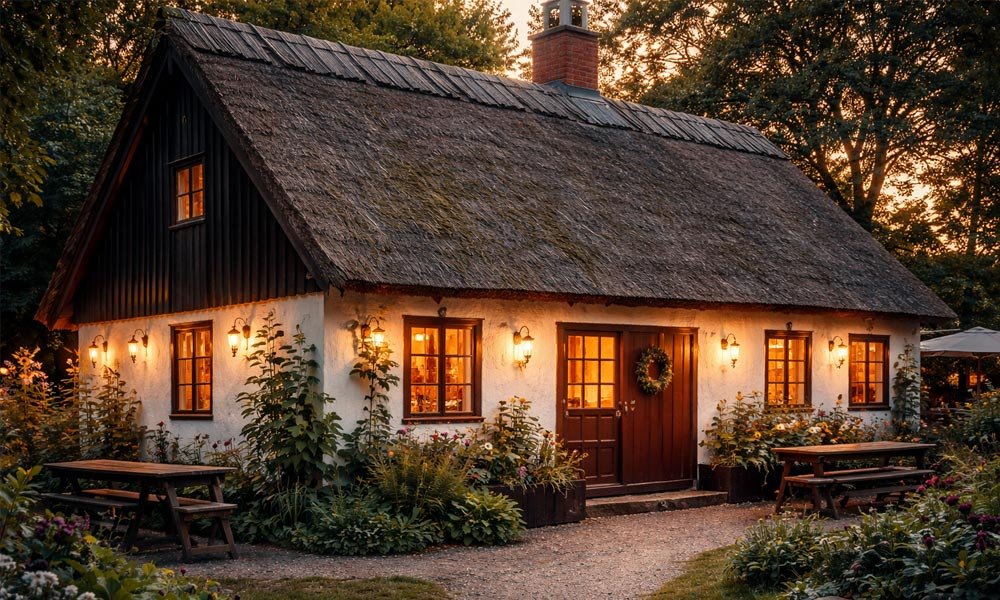
The architectural landscape is shifting toward a more sustainable and community-focused approach, and at the heart of this movement is the concept of Pindhuset. Often associated with minimalist Danish design principles and the integration of natural materials, a Pindhuset represents more than just a physical structure; it embodies a lifestyle of simplicity and environmental consciousness. Whether you are looking at it from an urban planning perspective or as a private retreat, understanding the nuances of the Pindhuset model provides valuable insights into how we might live more harmoniously with our surroundings in the future.
The Origins and Philosophy of Pindhuset
To understand the rise of Pindhuset, one must look toward the Scandinavian roots of functionalism. The name itself suggests a “stick house” or a timber-framed structure, but the modern interpretation has evolved into a sophisticated architectural style. The philosophy behind Pindhuset is rooted in the idea that a home should be an extension of the landscape rather than an intrusion upon it.
Natural Material Integration
The primary hallmark of a Pindhuset is the heavy use of timber. Wood is not only a renewable resource but also provides a thermal mass that is ideal for temperate climates. By prioritizing organic materials, these structures maintain a low carbon footprint while offering a warm, inviting aesthetic that synthetic materials simply cannot replicate.
Human-Centric Design
In every Pindhuset, the focus remains on the inhabitant. Large windows are strategically placed to maximize natural light, reducing the need for artificial heating and lighting. This connection to the outdoors is a core pillar of the design, ensuring that even when indoors, one feels a sense of peace and openness.
Why Pindhuset is Gaining Global Popularity
While the aesthetic is undeniably beautiful, the surge in interest regarding Pindhuset is driven by practical modern needs. As urbanization increases, people are searching for “slow living” alternatives.
-
Eco-Efficiency: Modern Pindhuset designs often incorporate solar panels, rainwater harvesting, and high-grade insulation.
-
Modular Flexibility: Many of these structures are built using modular techniques, allowing for faster construction times and less site waste.
-
Aesthetic Versatility: Whether nestled in a forest or placed in a suburban backyard as an ADU (Accessory Dwelling Unit), the Pindhuset fits seamlessly into various environments.
Technical Aspects of Building a Pindhuset
Building a Pindhuset requires a balance of traditional craftsmanship and modern engineering. It isn’t just about stacking wood; it’s about creating a durable, long-lasting envelope that can withstand the elements.
Foundation and Site Selection
Because a Pindhuset is often lighter than traditional brick-and-mortar homes, it can be placed on screw piles or light foundations. This minimizes the impact on the soil and allows for construction on uneven terrain without massive excavation.
Insulation and Ventilation
A common misconception is that wooden houses are drafty. However, a professionally designed Pindhuset utilizes advanced vapor barriers and breathable insulation like wood fiber or hemp. This ensures a healthy indoor climate, preventing mold and maintaining a steady temperature throughout the seasons.
The Role of Pindhuset in Modern Urban Planning
Urban planners are increasingly looking at the Pindhuset model to solve housing shortages. By utilizing vertical timber construction and cluster-housing formats, cities can create high-density living spaces that don’t feel claustrophobic.
Community-Focused Clusters
Instead of isolated mansions, the Pindhuset concept often thrives in “pockets” or clusters. Sharing common green spaces and resources fosters a sense of belonging, which is often lost in modern apartment blocks. This social sustainability is just as important as the environmental aspect.
Cost-Effectiveness
While high-quality timber can be expensive, the reduced labor time and energy savings over the life of a Pindhuset make it a financially viable option for many families. The precision of pre-fabricated components reduces the likelihood of costly errors during the build phase.
Living the Pindhuset Lifestyle: Interior and Decor
Stepping into a Pindhuset, you are immediately greeted by the scent of wood and the play of shadows. The interior design usually follows the “Hyggelig” or “Lagom” principles—nothing too much, nothing too little.
-
Open Floor Plans: Walls are kept to a minimum to allow light to flow.
-
Tactile Surfaces: Raw wood, stone, and wool are common, creating a sensory experience.
-
Hidden Storage: To maintain the minimalist look, a Pindhuset often features clever built-in storage solutions.
Maintenance and Longevity of a Pindhuset
A common question regarding the Pindhuset is how it ages. Wood is a living material, and it requires care. However, with modern treatments and the right choice of wood (such as charred timber or Accoya), a Pindhuset can last for generations.
Protecting the Exterior
Applying natural oils or eco-friendly stains helps protect the timber from UV rays and moisture. Over time, many Pindhuset owners choose to let the wood silver naturally, allowing the house to “age” into the landscape.
Structural Integrity
Timber is surprisingly resilient. In seismic zones, the flexibility of wood gives a Pindhuset an advantage over rigid concrete structures. Regular inspections of the joints and the roof ensure that the home remains a safe sanctuary for decades.
Pindhuset: A Response to the Climate Crisis
As we look toward 2030 and beyond, construction must change. The Pindhuset stands as a testament to the fact that we can have luxury and comfort without destroying the planet. By sequestering carbon in the very walls of our homes, the Pindhuset becomes a part of the solution rather than the problem.
Conclusion
The Pindhuset is more than just a trend; it is a thoughtful response to the complexities of modern life. By combining the timeless appeal of timber with cutting-edge sustainable technology, it offers a blueprint for a future where our homes are healthy, beautiful, and ecologically responsible. Whether you are a first-time builder or an enthusiast of Scandinavian design, the Pindhuset provides a compelling vision of what it means to live well in the 21st century.
Frequently Asked Questions (FAQs)
1. What exactly does the term Pindhuset mean?
In its literal sense, it refers to a “stick house” or a home built primarily from timber components. In a modern context, it describes a specific style of sustainable, minimalist, and wood-centric Scandinavian architecture.
2. Is a Pindhuset fire-safe since it is made of wood?
Yes. Modern timber construction uses mass timber or treated wood that actually performs very predictably in fire. Large beams char on the outside, creating a protective layer that slows down the burning process, often making them safer than unprotected steel which can melt and collapse suddenly.
3. How long does it take to build a Pindhuset?
Because many components are pre-fabricated in a controlled factory environment, the on-site assembly of a Pindhuset can be much faster than traditional builds—sometimes taking only a few weeks once the foundation is ready.
4. Can a Pindhuset be built in any climate?
Absolutely. While they originated in colder climates, the insulation properties of wood make them excellent for hot climates too. The key is in the specific design of the ventilation and the type of glazing used for the windows.
5. Is a Pindhuset more expensive than a traditional brick house?
The initial material costs can be higher depending on the quality of the timber, but the savings in construction time, labor, and long-term energy bills often make a Pindhuset a more cost-effective choice over time.
